You are here
Elana Dara explores Afro House and Brazilian roots in “Areia”

Brazilian singer-songwriter discusses the creation of the Afro House track, cultural roots, and the growing presence of women in electronic music
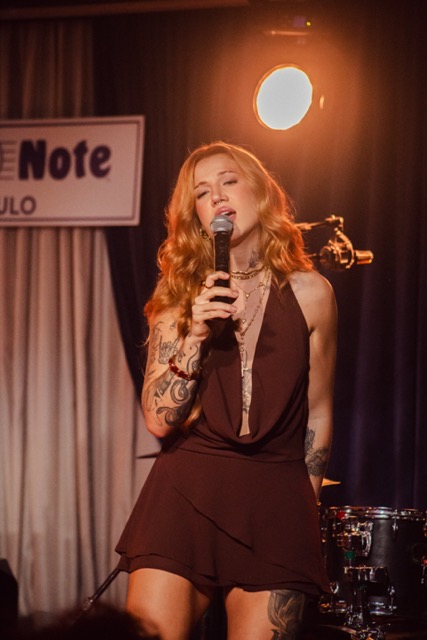
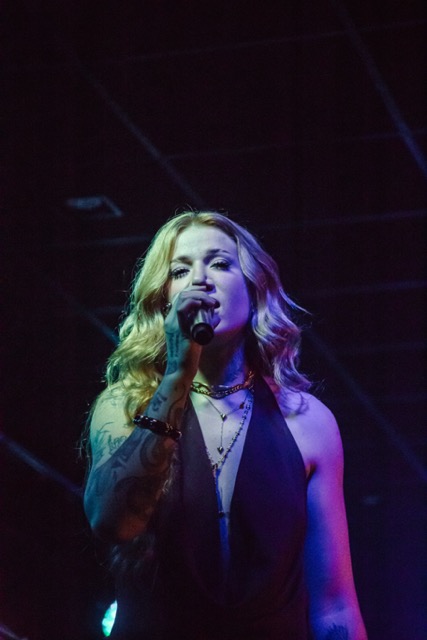
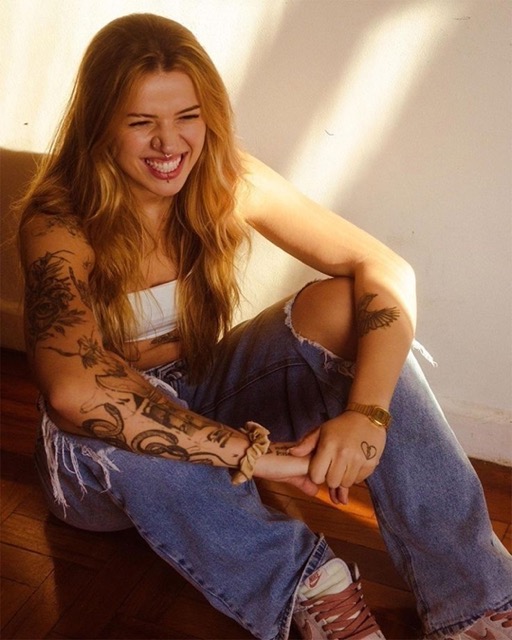
Brazilian singer and songwriter Elana Dara continues expanding her artistic universe with “Areia”, a new Afro House collaboration released by the Brazilian label Batida de Todos os Santos alongside producers J. Kordel, Riff, sone. and Falquiat.
Born in Curitiba, Elana has built a distinctive career that moves naturally between pop, R&B, MPB and Afro-Brazilian rhythms such as ijexá and samba. Known for her expressive voice and songwriting work, the artist now brings that identity into the electronic music space through a track that blends dancefloor energy with strong cultural references.
Described in the release as an Afro House cut with Brazilian roots, “Areia” connects organic textures, groove-driven production and a sense of ancestry that runs through both the rhythm and the vocal performance. The collaboration also reflects a growing movement among Brazilian artists who are bringing their own cultural influences into the global electronic music landscape.

In an exclusive interview with DJane Mag, we spoke with Elana Dara about the creation of “Areia”, the difference between aesthetic inspiration and cultural respect in Afro House, the presence of women in electronic music and her desire to continue exploring new sonic territories.
Read the full interview below.
“Areia” is rooted in Afro House but carries strong Brazilian cultural layers. How did your first contact with the track happen, and what made you want to be part of this project?
My first contact with “Areia” happened while the production was still being built. Even in its early structure, it already carried very clear images and sensations. I wanted to be part of it because I felt there was a natural bridge between the electronic universe and the Brazilian musicality that I carry. It felt modern, but also organic.
Your career naturally moves between MPB, R&B, pop, and Afro-Brazilian rhythms like ijexá and samba. What changes artistically when your voice enters the electronic music space and the dancefloor context?
When my voice enters the electronic context, it needs to dialogue more with the body than with the narrative. The dancefloor asks for repetition, texture and atmosphere. Artistically, I simplify the discourse and amplify the sensation.
“Areia” is a collective creation, bringing together several producers with different musical backgrounds. How did you find your emotional and vocal space within a track that is so groove-driven?
The groove is already strong, so I understood that my role was not to compete for space but to create breathing room. I found my place by suggesting visual phrases, circular melodies and a vocal approach that floats more than it leads.
Afro House is gaining massive global visibility right now. In your view, what is the difference between simply using African references and truly respecting and translating those roots into music?
There is a big difference between aesthetics and foundation. Using African references can be superficial. Respecting those roots means understanding the history, spirituality and cultural context behind the rhythm. These sounds carry memory and ancestry, so approaching them with awareness and responsibility is essential.
The atmosphere of “Areia” evokes ancestry, body, and movement. What does the word “areia” symbolize for you within this song?
Sand is stone transformed by time, wind and water. For me, that represents a clear connection with ancestry.
You have a strong trajectory as a songwriter for other artists. When writing or singing for the electronic music scene, does your creative process change compared to pop or MPB?
The focus changes a little, but the process is equally interesting. In pop and MPB, the narrative usually leads the emotion. In electronic music, the flow and the body lead. Instead of telling a story, I try to build a sensation. I simplify the words and pay more attention to rhythm, repetition and the sound of syllables.
As a Brazilian woman and artist, what does it mean to see your voice circulating through clubs and international festivals via electronic music?
It’s very rewarding to see my voice exploring new places. Music really needs to travel across territories, because that enriches cultures and perspectives. And being a woman artist, not only in Brazil but everywhere, comes with challenges tied to existence itself. So every step forward is something I truly value.
Do you feel that Brazilian electronic music is finally developing a clear global identity? Where do you see yourself within this movement?
I think this is still something I’m discovering. “Areia” isn’t my first experience with electronic music, but it’s my first official release in this space, so everything still feels very new to me. I’ve been observing an interesting movement of Brazilian artists bringing their cultural references into this structure, and that naturally creates identity.
“Areia” connects technology, the dancefloor, and tradition. How do you personally see the balance between musical innovation and preserving cultural roots?
Technology can amplify tradition when its history is understood. When there is awareness, modern production doesn’t erase culture, it reveals another dimension of it.
After this release, can we expect you to explore more collaborations within electronic music, or was this a unique moment for you?
Electronic music opened a new expressive layer for my voice, one that is more atmospheric and less narrative. Interestingly, that’s something I’m already trying to develop within my own work, so I definitely want to keep exploring this world. I see my voice as an instrument that wants to communicate melodies and messages of warmth, regardless of the aesthetic.
Electronic music is still largely male-dominated, especially in production and curatorship roles. How do you perceive the presence of women in this scene today?
There is still imbalance, but there is also a visible change happening. More and more women are occupying spaces of authorship, not just performance. Transformation happens when women are invited not to decorate the sound, but to shape it.
In electronic projects, women are often invited only as vocal features. What was important for you in “Areia” to ensure your participation was artistic rather than purely aesthetic?
I believe that starts from the very first contact with the producers. We were already friends, so there was intimacy and creative freedom to build something together. Everyone collaborated with the same level of intensity.
You move between pop, MPB, and now electronic music. What differences do you notice in how women are heard and respected across these different scenes?
Each scene has different expectations. In pop, image often comes first. In MPB, lyrics. In electronic music, sometimes the voice sits behind the production. Respect grows when the artist is understood as a creator, not just decoration.
For women who want to enter electronic music as vocalists, songwriters, or producers, what advice would you give based on your own journey?
Technical knowledge protects artistic autonomy. It’s important to understand the environment you want to navigate, know when to intervene, when to step away, and recognize where your work is truly valued.

With “Areia”, Elana Dara opens a new chapter in her artistic journey, bringing her voice into the electronic music universe while maintaining the Brazilian cultural roots that shape her identity as an artist. The collaboration with J. Kordel, Riff, sone. and Falquiat highlights how groove, tradition and emotional depth can coexist on the dancefloor, pointing toward new creative possibilities for the singer.
Listen to “Areia” below.
Connect with Elana Dara
Stay updated with the latest releases and projects from Elana Dara.
Instagram
Elana Dara on Instagram
Spotify
Listen to Elana Dara on Spotify
YouTube
Elana Dara official YouTube channel